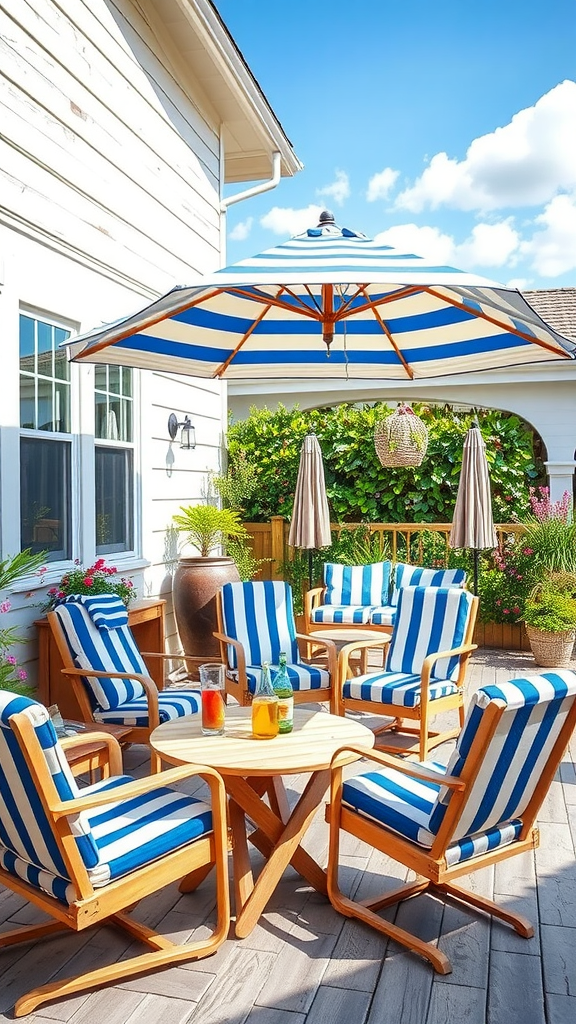

Transforming a small outdoor space into a charming garden can be both fun and rewarding. With a little creativity and smart planning, even the tiniest yards can burst with personality and life. This guide will help you navigate the essentials of small garden design, offering practical tips and ideas to make the most of your compact area while showcasing your unique style.
Maximizing Vertical Space
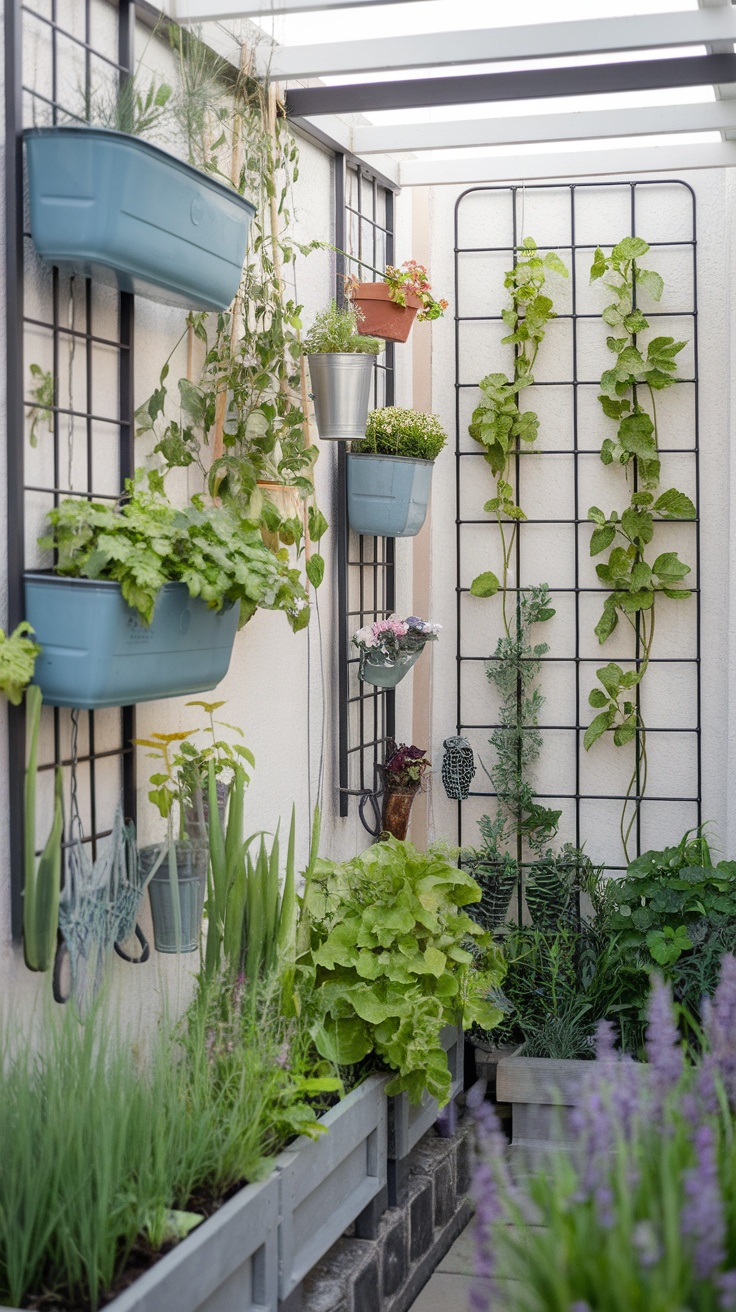
Using vertical space in a small garden can really help you grow more without taking up extra ground area. Wall planters and trellises allow you to add flowers and herbs in a fun way. Plus, it makes your garden look vibrant and full of life!
Utilizing Raised Garden Beds
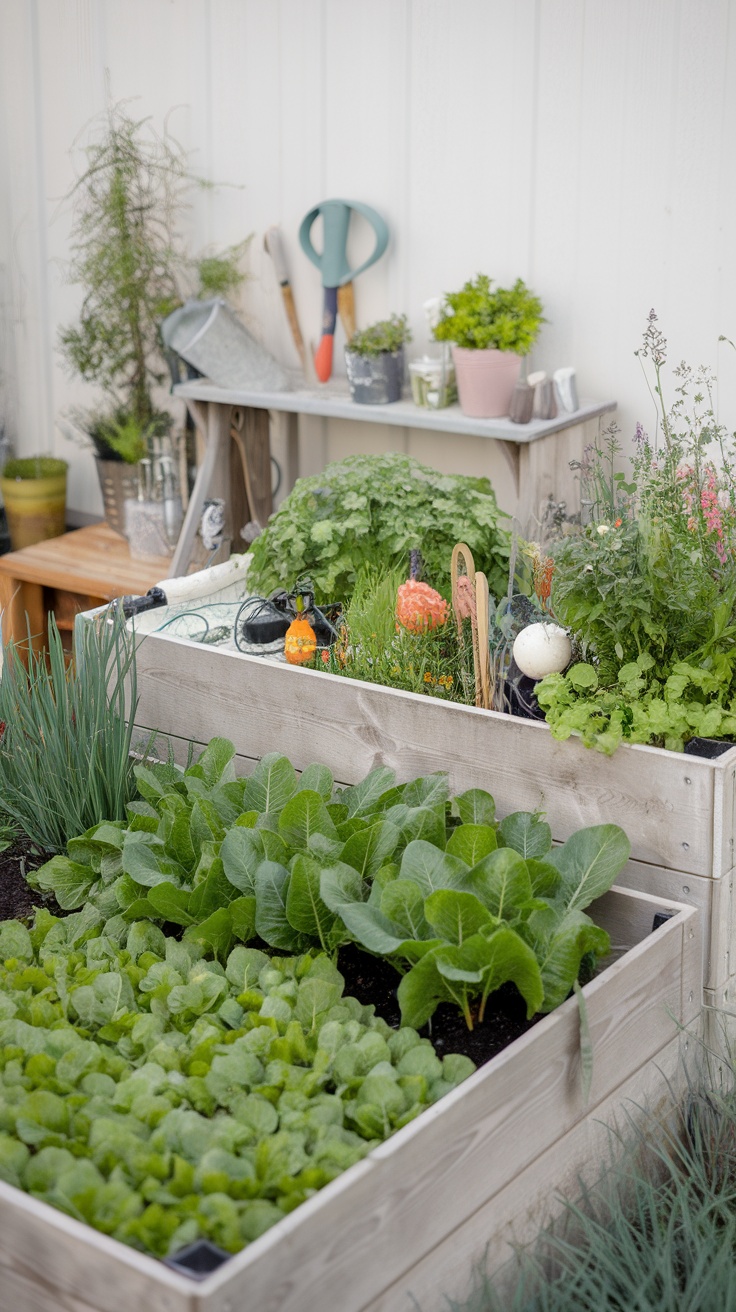
Raised garden beds are a fantastic way to make the most of a small garden space. They provide better drainage and soil quality, plus they’re easier on your back for planting and maintenance. You can mix herbs and vegetables for a vibrant and functional garden that’s easy to manage.
Adding Garden Art for Personality
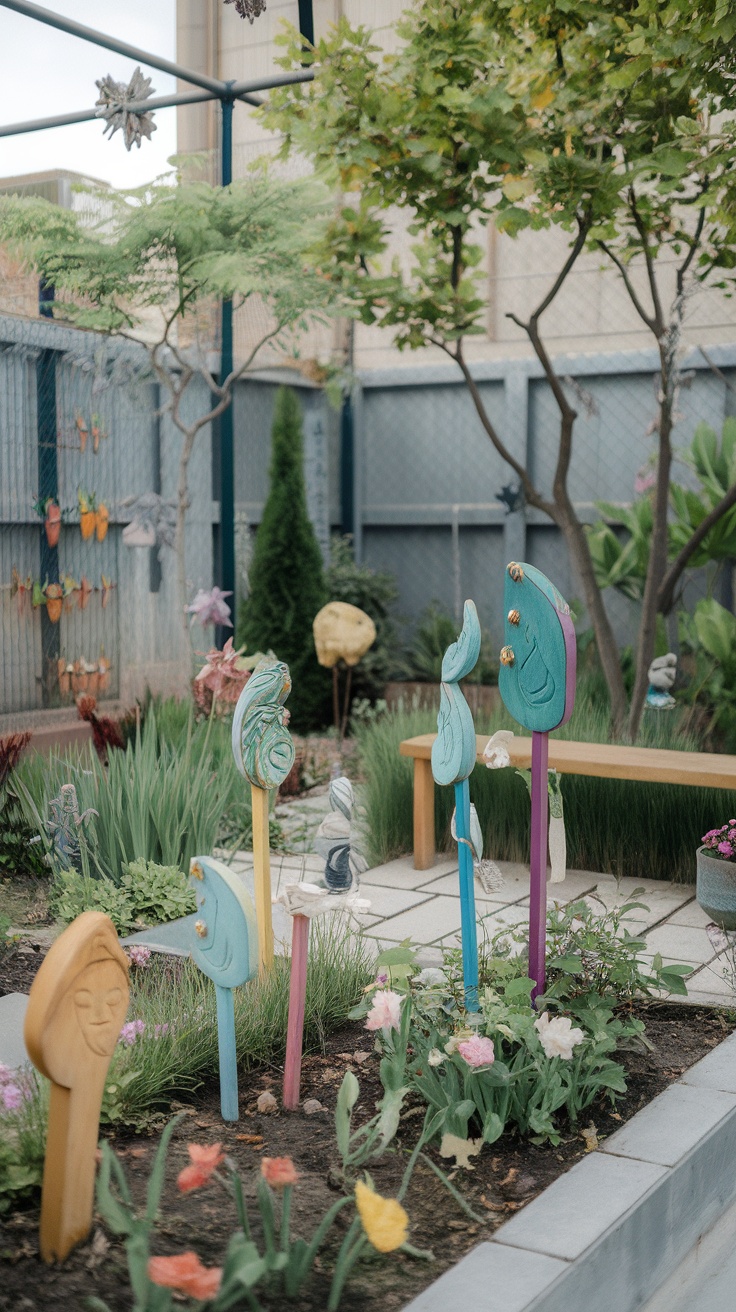
Sprucing up your small garden with some fun art pieces can really bring it to life. Consider adding colorful sculptures or quirky decorations that reflect your personality and style. This little touch makes your garden not just a space for plants, but also a place that tells your story.
Integrating Water Features
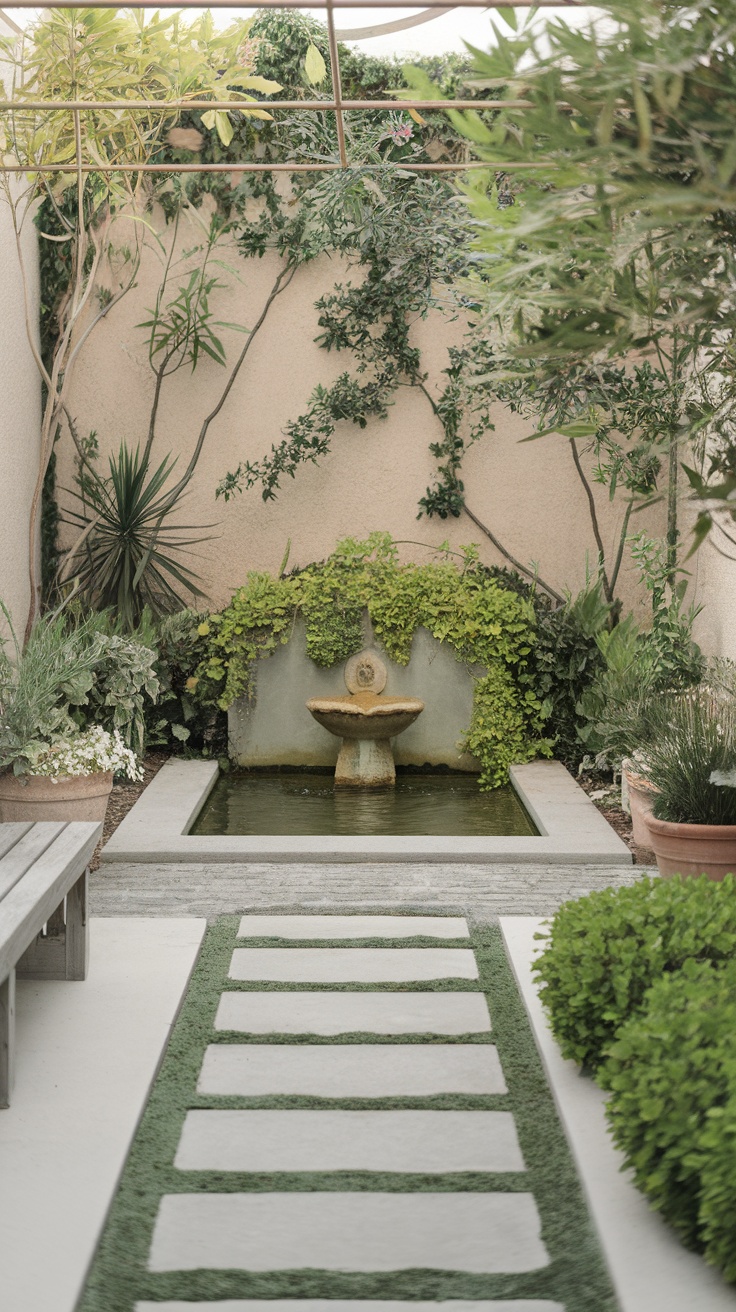
Water features can really bring your small garden to life. A simple fountain adds a calming sound and attracts birds, making your space feel vibrant. Plus, they can act as a focal point that ties together your plants and pathways beautifully.
Utilizing Edible Landscaping
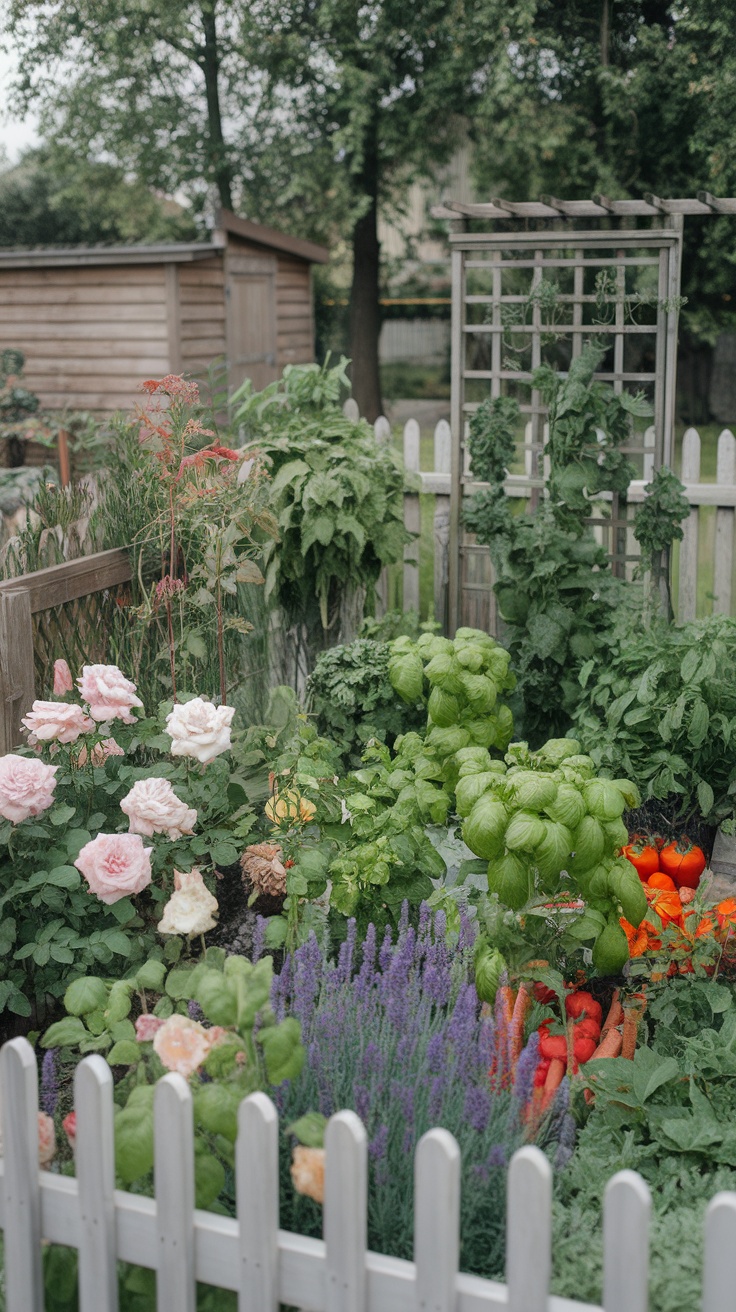
Incorporating edible plants into your garden is a fun way to make your space both beautiful and practical. You can mix flowers with vegetables, herbs, and fruits to create a vibrant landscape. Plus, nothing beats the taste of fresh produce right from your own backyard!
Creating Cozy Seating Areas
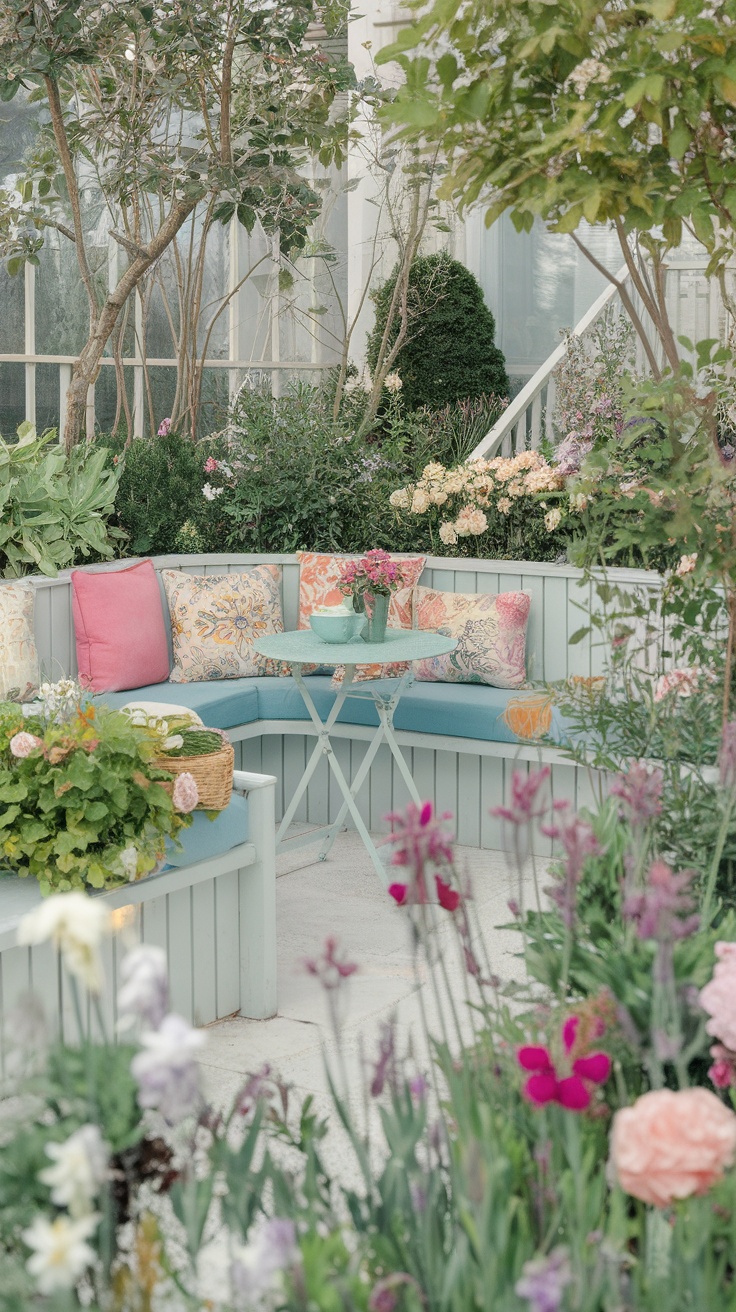
Cozy seating areas transform your small garden into a welcoming retreat. Use comfortable cushions and a small table to create a perfect spot for morning coffee or evening chats. Surround the space with flowers and greenery to make it feel inviting and relaxing.
Incorporating Pathways for Flow
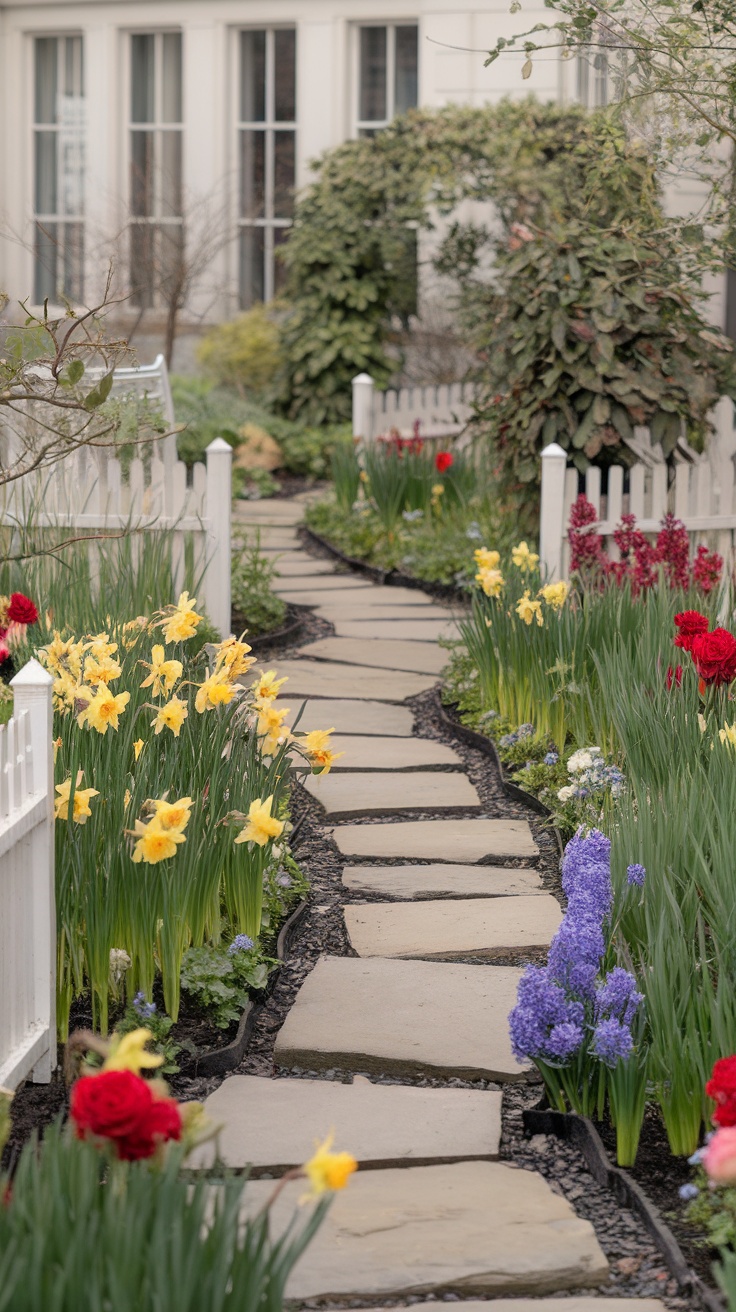
Pathways are a key aspect of small garden design, guiding visitors through the space. A well-placed stone path can enhance the flow while creating visual interest. Surrounding the path with colorful flowers adds charm and makes the journey more enjoyable.
Selecting the Right Plants for Size
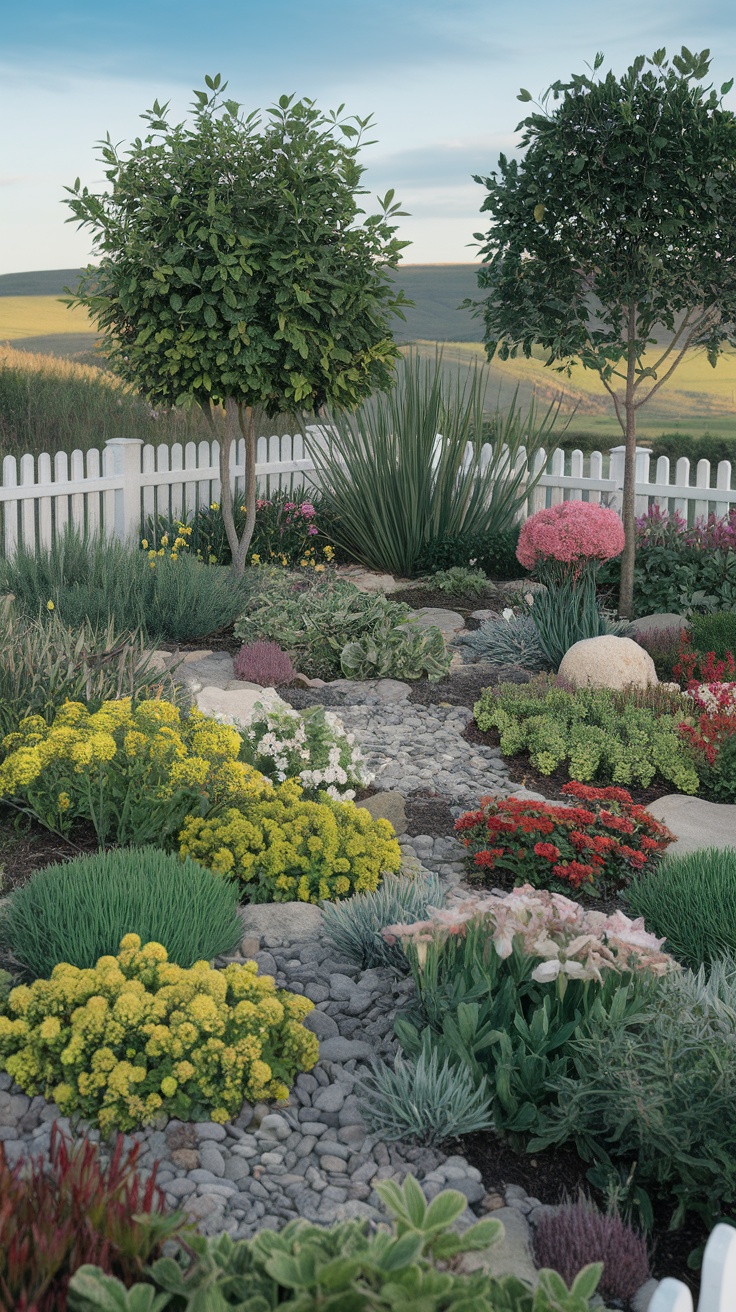
When choosing plants for your small garden, think about their size and growth habits. Opt for a mix of low-growing perennials and shrubs to create layers without overwhelming the space. This way, you can enjoy variety and color while keeping everything neat and tidy.
Implementing Container Gardening
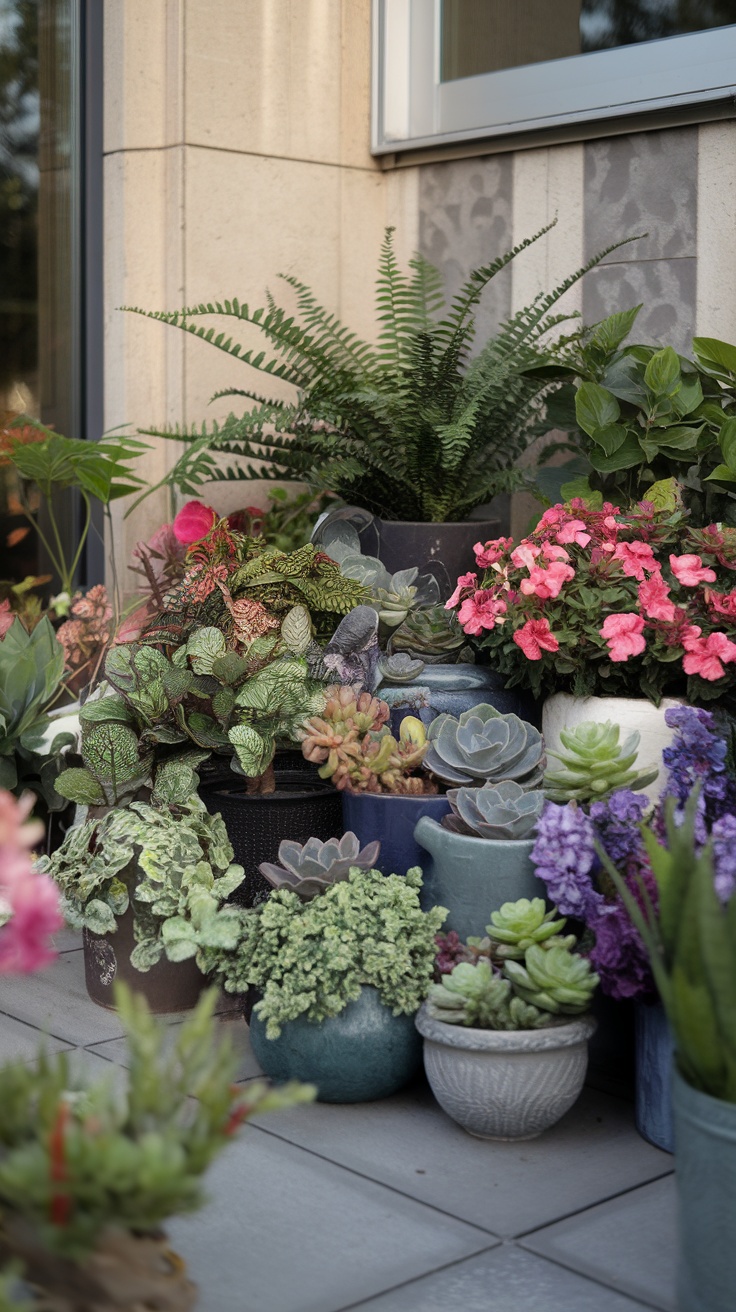
Container gardening is a fun way to add life to any small space. You can mix different plants in various pots to create a vibrant display. Just remember to choose pots with good drainage and pick plants that thrive together for a cheerful garden look.
Incorporating Lighting for Ambiance
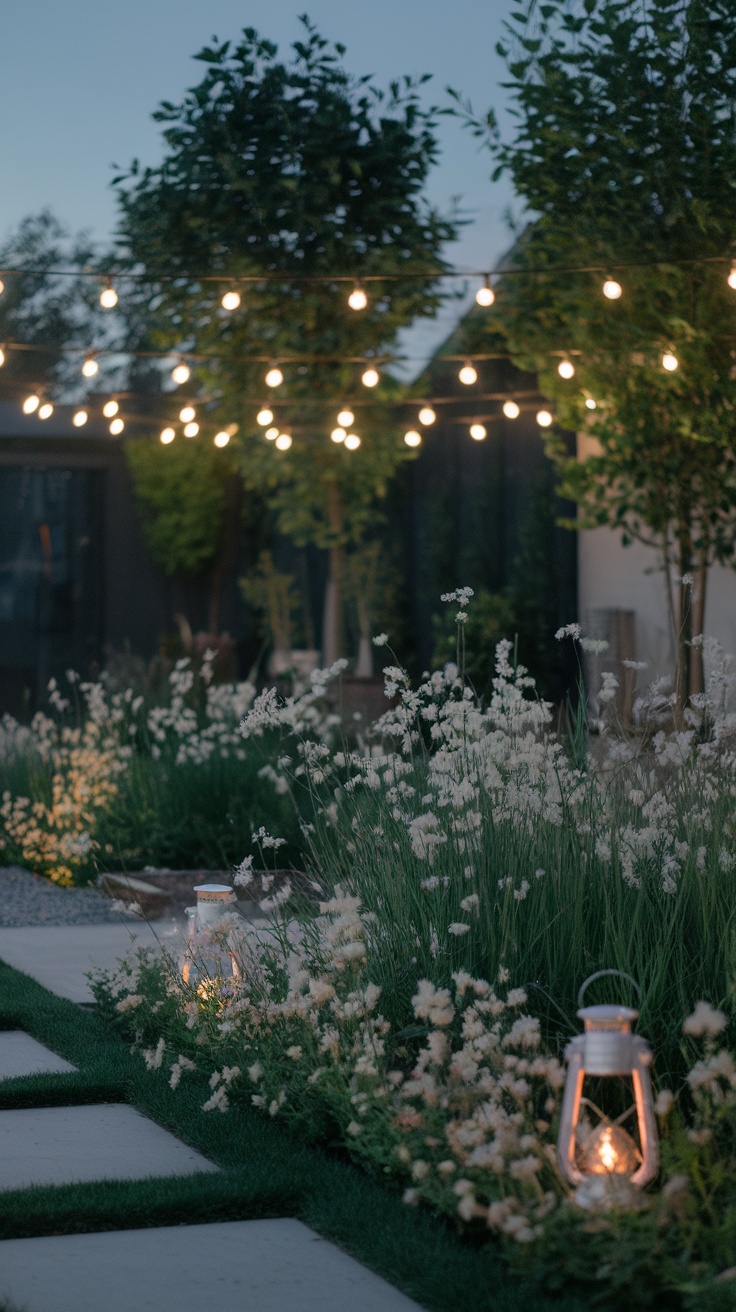
Lighting can truly change the vibe of your small garden. Use string lights for a soft glow, making the space feel cozy and inviting. Lanterns along pathways add a touch of charm while ensuring safety as you enjoy the outdoors at night.
Creating Focal Points with Structures
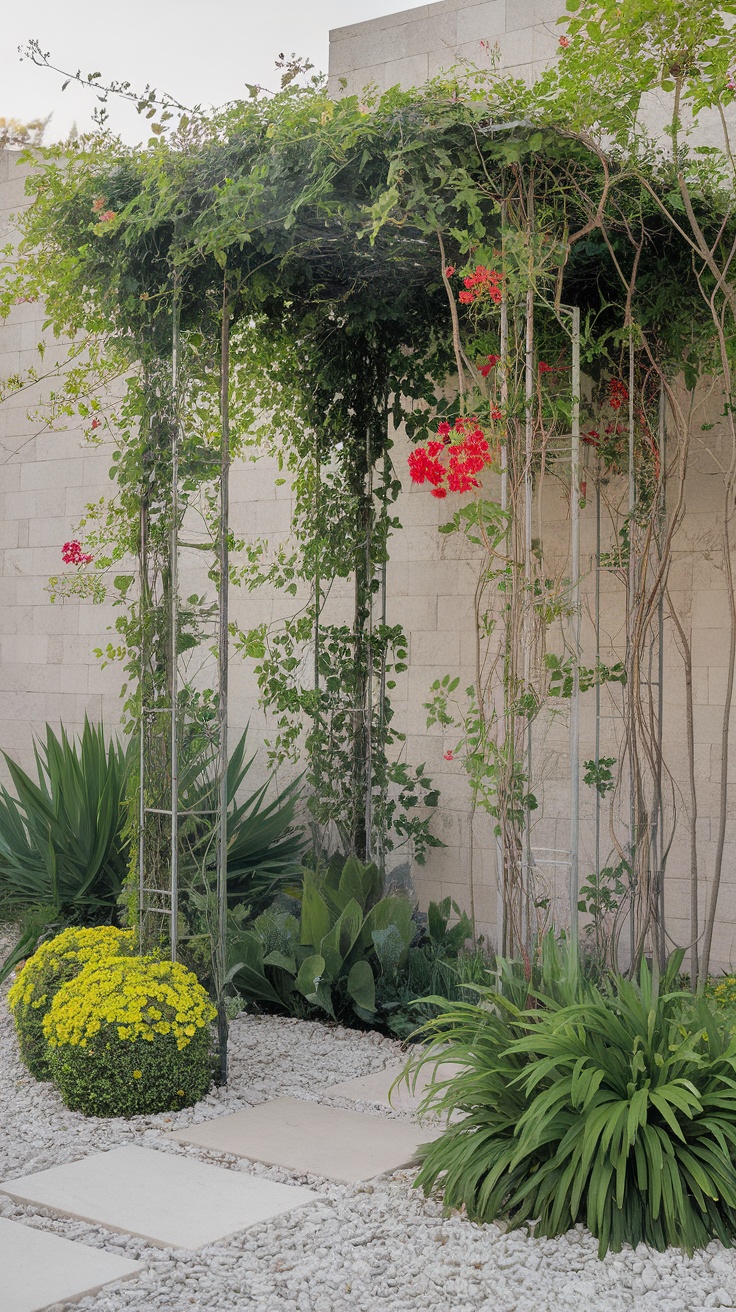
Adding structures like trellises or arbors can really elevate your small garden design. They not only bring height and interest but also create perfect spots for climbing plants. Choose colorful vines or flowers to make these structures pop and draw the eye.
Designing for Privacy and Shelter
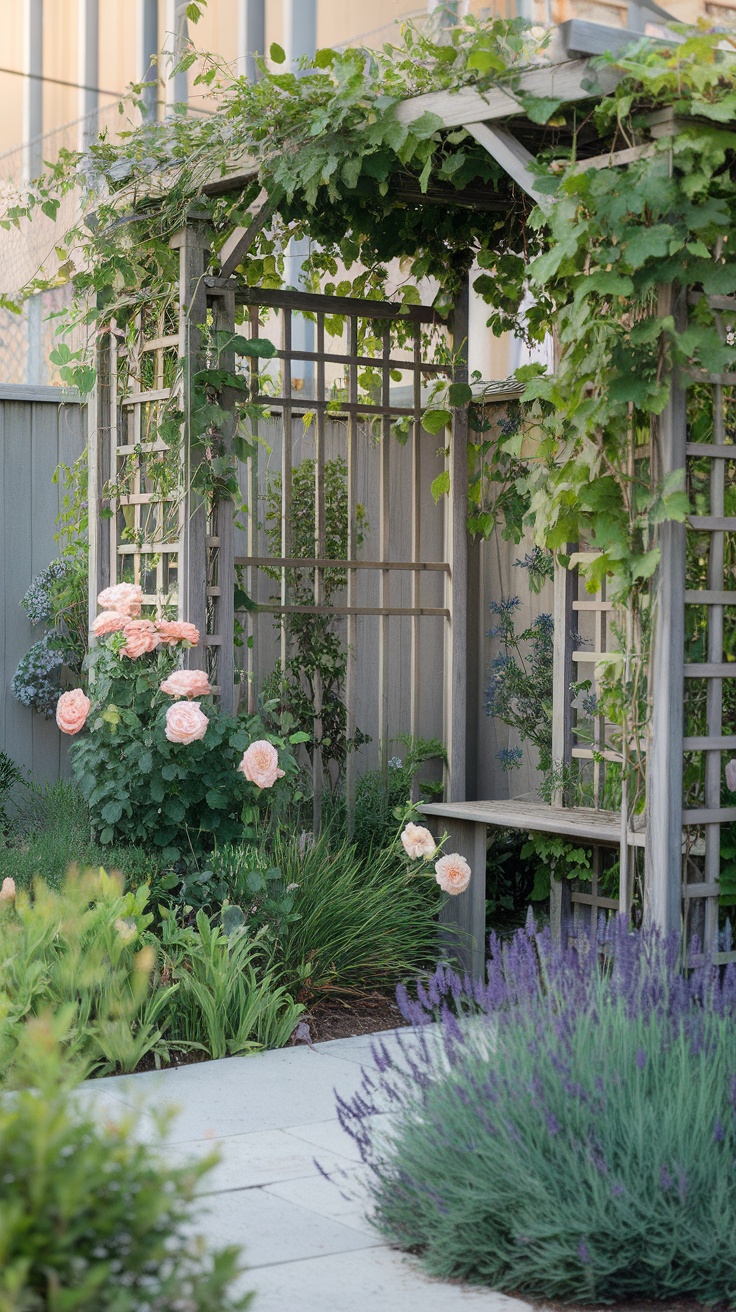
Creating a cozy nook in your small garden can really enhance your outdoor experience. Consider using trellises with climbing plants to add natural privacy and a touch of greenery. A simple bench under a vine-covered structure invites relaxation and makes the space feel more intimate.
Seasonal Planting for Year-round Interest
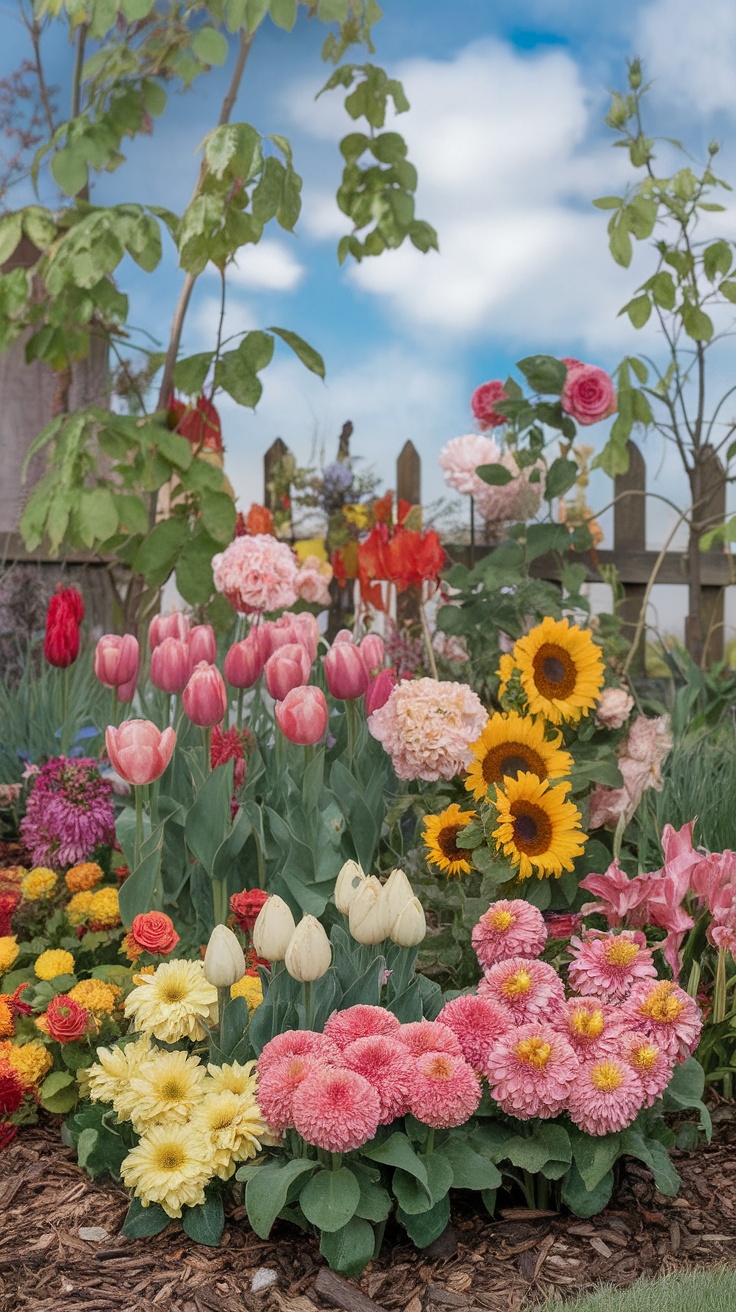
Planting a mix of flowers that bloom in different seasons keeps your garden lively all year long. Consider adding spring blooms like tulips and peonies, followed by summer favorites such as sunflowers and zinnias. This way, you’ll enjoy a colorful display, no matter the season!